
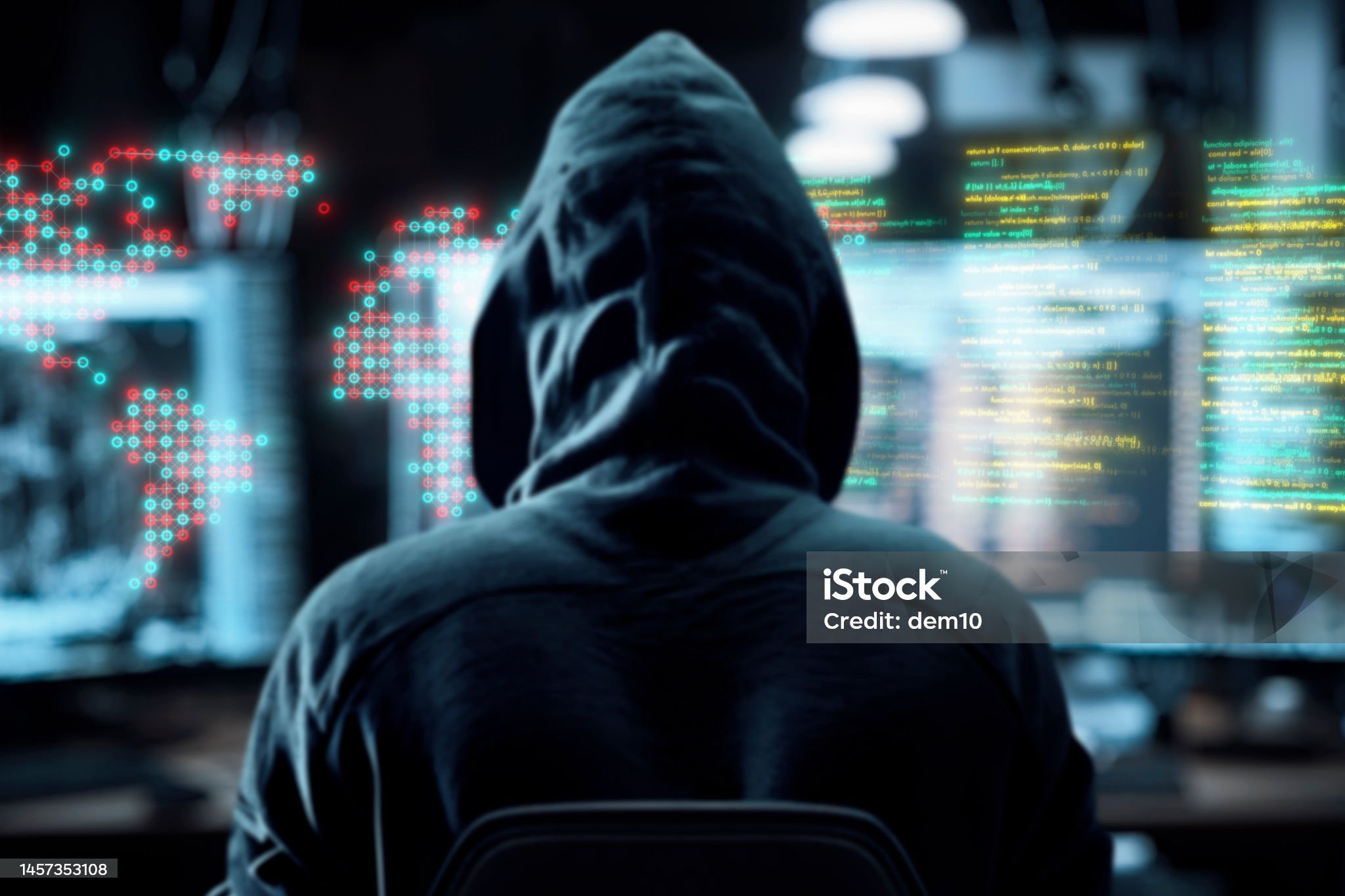
Digital Anonymity: Is this Harmful or Helpful?
Published by: Camilla AB | Uploaded: April 08th, 2024 | 11:50AM
When she was growing up in Jamaica, she always learned that “Honesty is the best policy.” Such constant drilling was compelling and made her nervous and totally convicted whenever she attempted to lie. Her voice would crack, her flimsy arms trembled as she listened her aunt’s voice reverberated throughout the house “Speak the truth and speak it ever, cost it what it will, he who hides the wrong he does, does the wrong thing still.” Ahhh, those lessons! How they have resonated with her over the years, entrenched in her very psyche. With all the strength she had, she fought the urges to lie, but the struggle was real, and sometimes, the situations became complexed. When she spoke the truth, she was flogged for being too blunt and outspoken. She was humiliated and told “you chat too much!” (meaning someone is talkative). She wondered, what did they really want? Do people really want to hear the truth? As the young girl matured into her teenage years, she transitioned into a quiet and introverted girl, hardly speaking to others. She was frequently telling a lie or two, to avoid hurting and embarrassing others, stifling her own true feelings. The once free-spirited, strong-willed, inquisitive, talkative, and outspoken young girl, no longer spoke out – but recoiled – became timid and shy. Her honesty back-fired! How differently could they have handled her bluntness? How did this girl’s experience impact her socialization and character development? Did she suppress that side of her true self? Did she mask her identity?
Could one of the reasons behind anonymity stem from the suppression of fear of being ridiculed, the anxiety about repercussions and implications, or a lack of self confidence, bottled-up within a genuinely honest person? As I reflect on the topic of anonymity, it’s my desire to explain how literature defines anonymity, how is it manifested in the digital world and whether this new phenomenon is harmful or helpful.

First, let’s look at what anonymity means
Anonymity is a situation in which an individual does not provide his or her biological name or personal information when interacting with the public in a given setting. Many internet users across the world enter into virtual social spaces or communities online and engage in activities without disclosing their true identity. This practice allows users to assume any character or personality they desire at that particular point in time. As they enter different spaces/places, they have the autonomy to switch personalities accordingly. Pseudonymity is also classified as anonymity as it’s a way of using fake names instead of real names to protect ones identity.
Kai Chan (2022) in her article Emergence of the ‘Digitalized Self’ in the Age of Digitalization, discussed the emergence of a new form of self and how the digital world is reconstructing humans identity and behaviour.“Progressing from the Industrial Age to the Age of Digitization when humankind has been undergoing changes in the process of digitization, there is growing observation and evidence for the possible emergence of a new form of self, called the ‘Digitalized Self’”[1] Users are connecting to the digital world as their true self or a false representation of themselves through the use of anonymous names or pseudonyms.
[1] https://www.sciencedirect.com/science/article/pii/S2451958822000252 Kai Tan Chan, Emergence of the ‘Digitalized Self’ in the Age of Digitalization, March 2022, Computers in Human Behavior Reports, Volume 6, May 2022
Do people behave differently online when they are anonymous?
Yes! According to John Suler, people do behave differently when they cannot be identified. In his article entitled The Online Disinhibition Effect, Suler (2004, p.1) mentioned that “clinicians and researchers have noted how people say and do things in cyberspace that they wouldn’t ordinarily
say and do in the face-to-face world (Suler, 2004).”[1] This type of behavior Suler said is called the disinhibition effect. So, people’s behaviours do change when they know that they are being surveyed. Stefan Larson, Mans Svvenson, etal. (2012) supported this perspective when they published their article, Laws, norms, piracy, and online anonymity . Their research showed that “online privacy can be liberating, allowing online users to become less inhibited by social conventions and restraints (p. 262).”[2] It is frightening that people you and I interact with on a daily basis who behaves normal and quite genuine in our presence are active members of the digital world who assume dual or multiple personalities, transitioning into various personas known as the digital self.
[1] https://www.researchgate.net/publication/8451443_The_Online_Disinhibition_Effect The Online Disinhibition Effect, John Suler, Cyberpsychology & Behaviour, Volume 7, Number 3, 2004.
[2] https://lup.lub.lu.se/search/files/3540728/4053829.pdf Stefan Larson, Mans Svensson and Marcin de Kaminski, Law, norms, piracy and online anonymity, July 6th, 2012
Is online anonymity healthy and beneficial
I’m sure there are many positive reflections about online anonymity. Personally, I have used articles and recited poems constructed by anonymous sources.
- Anonymity allows writers to share their personal perspectives or opinions and engage with their audience in honest discourse. Whenever anonymous authors share their stories, it’s oftentimes unfiltered, containing sensitive details of personal situation, emotional and psychological state of being, and experiences. Although those are vulnerable moments that some authors prefer to keep personal, as disclosure could cause more harm than good; that level of openness and frankness actually can stimulate healing, deliverance, and liberation from suppressing circumstances.
- “Anonymity in cyberspace allows whistle-blowers and activists to express opinions critical of employers, and the government enables entrepreneurs to acquire and share technical information without alerting their competitors, and permits individuals to express their views online without fear of reprisals and public hostility” (Mohamed Chawki, 2006).[1]
- Anonymous users feedback on polls or surveys are usually more honest, enabling researchers and data analysts to obtain authentic data for researches. Vimala Balamurugan (2023), in her article The Power of Anonymity: Why Anonymous Surveys Foster Honest Feedback explains the psychology behind anonymity and its impact on surveys conducted by researchers.
- With the advent of identity theft, profiling online can be risky.
[1] https://www.crime-research.org/articles/2110 Mohamed Chawki, Computer Crime Research Center, Anonymity in Cyberspace: Finding the Balance, July 09, 2006, retrieved on April 9th, 2024.
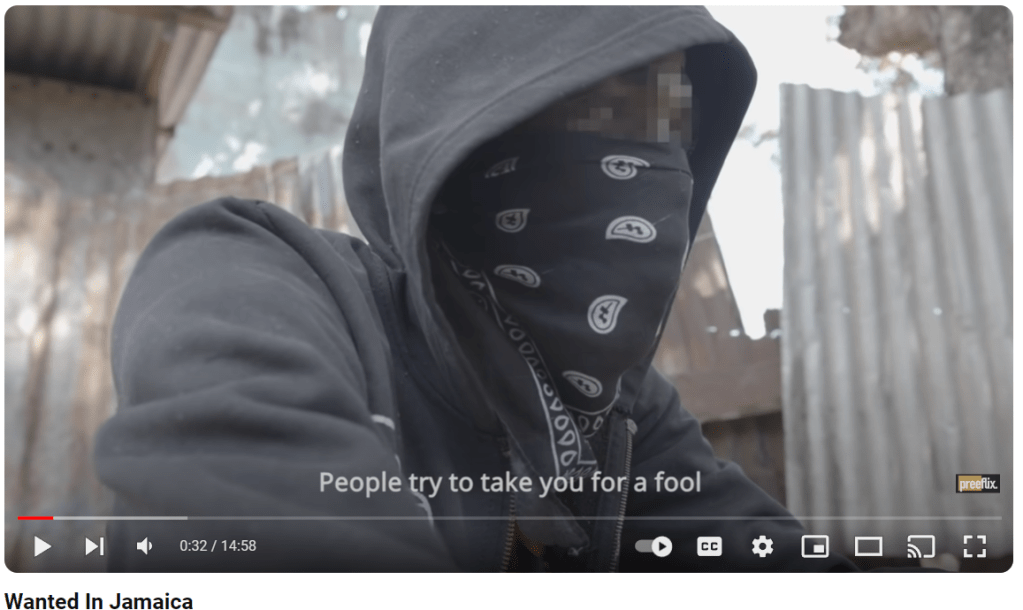
Under these circumstances, writers or contributors reserve the right to assume online anonymity for their own safety and privacy. This can protect their reputation and prevent stigmatization, defamation of character, labelling, and blackmailing. I have seen social media comments and blogs of persons disclosing sensitive and personal information deemed embarrassing to address in public. On these accounts, there are no profile photos, so identification and recognition are impossible. The names on the accounts are fake/pseudonyms, and in videos, their voices are modified to avoid easy detection. The less visible you are, the more honest you can be. Take for instance the interviewer in this video who’s using her YouTube Channel divulge information on the dark-world of gangs and extortionists in Jamaica. She cannot divulge either her or her interviewee’s identity; they are acting anonymously. The fact that both the interviewee and interviewer know their identities are protected, make them willing to speak honestly about the illicit activities plaguing the country. Whistle blowers, spies, and other highly investigative personnel require online anonymity.

The harmful effects of online anonymity
As the internet continues to advance, the capabilities of its users become both beneficial and harmful. Whilst anonymity hides the true self and enhance a level of honesty, Joseph Prostko in his article Online anonymity effects issues and limitations says it undoubtedly allows people to “behave considerably worse than if they were having an offline face to face conversation with someone.” This toxic disinhibition practice by online users is a “blind catharsis”[1] said John Suler (2004), and tantrum-throwing or acting out that “may cause people online to be afraid to have a discussion because they may be insulted or verbally attacked (Prostko, 2020).”
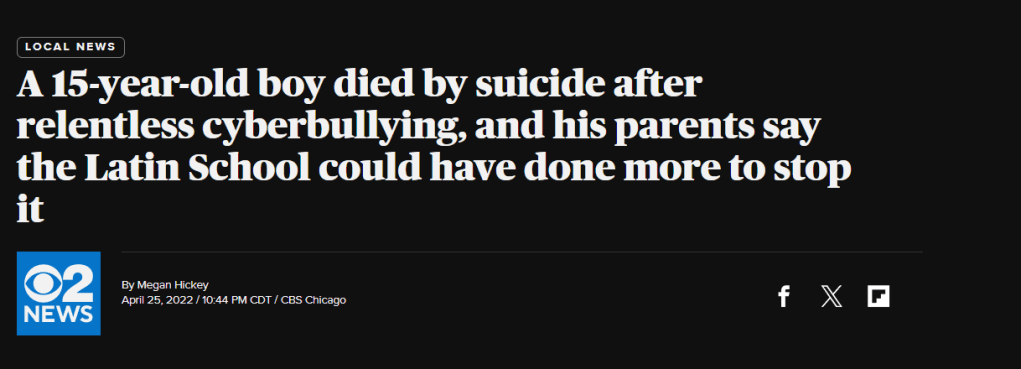
Online anonymity perpetuates negative writings and discourses, harsh criticism towards others, cyber bullying, crime, violence, anger, and hatred that are plastered across social spaces. This toxic behaviour results in many disheartening impacts on the victims. Victims oftentimes commit harm to themselves (and sometimes to others), even suicide, as they cannot manage the pressures and embarrassment that results from perpetrators’ toxic disinhibitions. Megan Hickey, CBC News reporter (2022) in Chicago, reported the death of a 15 year old boy by suicide after relentless cyberbullying, the 15-year-old-boy was constantly bullied in various texts and other messages. Other disbenefits of online anonymity include cyber crimes and illicit activities such as human trafficking, where arrangements and transactions are done digitally and humans are auctioned off and transferred to various parts of the world. Disturbing websites with pornographic context and members; identity theft and scammers; piracy and copyright entanglements; money laundering;
underground trading; organized crimes; sharing of illegal files; acts of terrorism and much more. It’s against these illegal activities that some users believe anonymity online should be banned.
But will banning online anonymity stop toxic behaviors?
[1] https://dc.ca.talis.com/okanagan/bundles/659471c67a2b67000a375644 John Suler, The Online Disinhibition Effect, 2004.
Conclusion
There is a time and place for everything under the sun! Anonymity online can be used legitimately or illegitimately, it’s actually a thing and there is a place for it. These are some of my key take-aways from the literatures reviewed:
Banning anonymity online will restrain a person at a particular moment but might not bring about the necessary social behavior change fitting for society. Joseph Prostko said restricting anonymity will not curb how people think and behave, it will only cover it. [1]
Technology information analysts should protect their communication sites by implementing policies, regulations, and moderation systems that have the ability to monitor and stop malicious anonymous users.
Anonymity online is acceptable, but must be exercised within the law with communication networks ensuring proper monitoring through moderation systems to identify and block or charge perpetrators who violate the laws. Anonymity can be liberating but “dubious when it is used to avoid accountability for socially unruly behaviors and illegal activities” (as quoted in Larsson, Stefan, et al., p. 262, 2012)[1].
“The copyright trend in the last five to ten years teaches us that the internet can be regulated; it can be contained, its intermediaries held liable and its nodes placed under supervision (Larsson, 2011a, c). The grass-root reply to these top-down attempts of adding control to the internet is an increased use of encryption to avoid traceability and identification as well as avoiding visibility of what type of data that is flowing in the web” (ibid).
[1] https://lup.lub.lu.se/search/files/3540728/4053829.pdf Stefan Larson, Mans Svensson and Marcin de Kaminski, Law, norms, piracy and online anonymity, July 6th, 2012
[1]https://www.researchgate.net/publication/342163357_Online_anonymity_effects_issues_and_limitations
 your-future-starts-now.com